

Trust is often discussed as a quality of individual articles, but readers experience it across the entire publication. A precise story can still appear unreliable if the website hides its identity, uses broken contact links, shows outdated policies, or changes published material without explanation.
Make the publication identity easy to verify
Display the official publication name, consistent logo, contact information, About story, and domain. Readers should not need to search several pages to learn who operates the site. If reporter profiles or verification pages are public, keep them accurate and avoid exposing private information.
Publish policies that match reality
Privacy, Terms, and Refund or Cancellation policies should describe the services and data practices the publication actually uses. Update dates and versions when the policy changes. Avoid copying another website’s legal text because its business model, jurisdiction, vendors, and reader relationships may be different.
This is general operational guidance, not legal advice. Ask a qualified professional to review policy wording when legal compliance, subscriptions, payments, employment, or user-generated content creates specific obligations.
Create a usable contact path
A contact page should let readers send a clear enquiry and should route that enquiry to a monitored workflow. Define who reviews contact requests, how quickly routine messages are handled, and how urgent safety or correction concerns are escalated. Do not ask readers to submit unnecessary sensitive information.
Explain corrections and updates
Readers understand that news develops. Trust improves when the publication distinguishes an update from a correction and avoids silently changing a material fact. Create internal rules for who may edit published content, when a note is added, and how the latest version is verified on the public page.
Keep metadata consistent
Dates, categories, author names, images, headlines, social previews, and canonical URLs all communicate context. Incorrect metadata can make a true story appear careless. Review the public version after publishing and after major edits.
Protect account and reader data
- Use individual accounts and the supported OTP process.
- Deactivate access that is no longer required.
- Never place passwords, tokens, or private authentication details in content or support messages.
- Collect only the contact or subscriber information needed for the stated purpose.
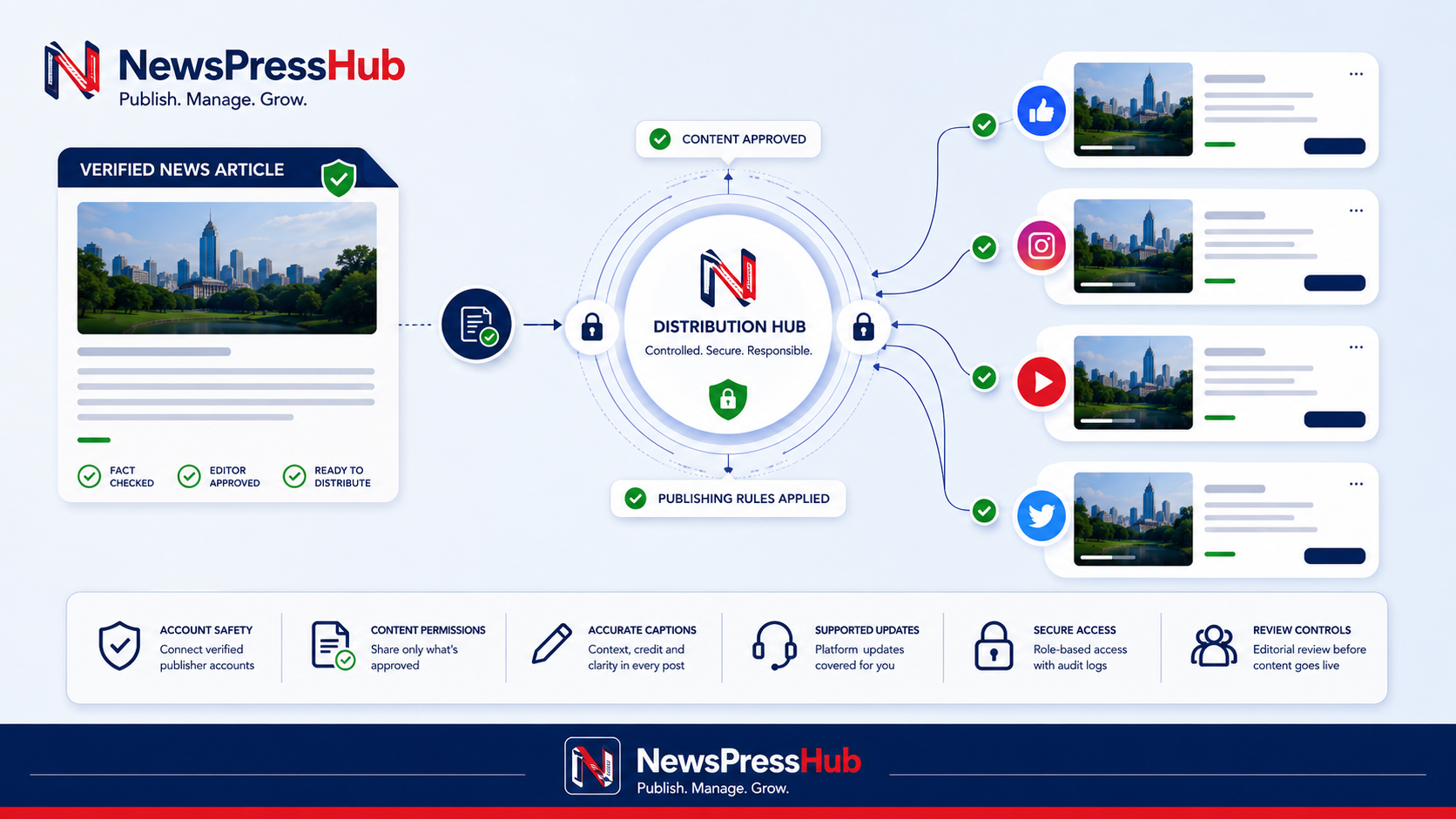
- Use connected platforms through authorized accounts and review permissions.
Match promises to capabilities
Avoid publishing claims about reach, uptime, revenue, audience size, or platform support unless they are current and verifiable. Describe what the publication and its tools actually do. When a feature depends on an active plan, domain, account connection, or provider support, make that dependency clear to the team.
Review trust signals regularly
Once a quarter, open the public site as a new reader. Check the About page, contact form, policies, footer, social links, author information, recent corrections, domain security, and mobile experience. Remove outdated details and repair broken paths.
Transparency is most credible when it is built into ordinary publishing, not added only after a problem.
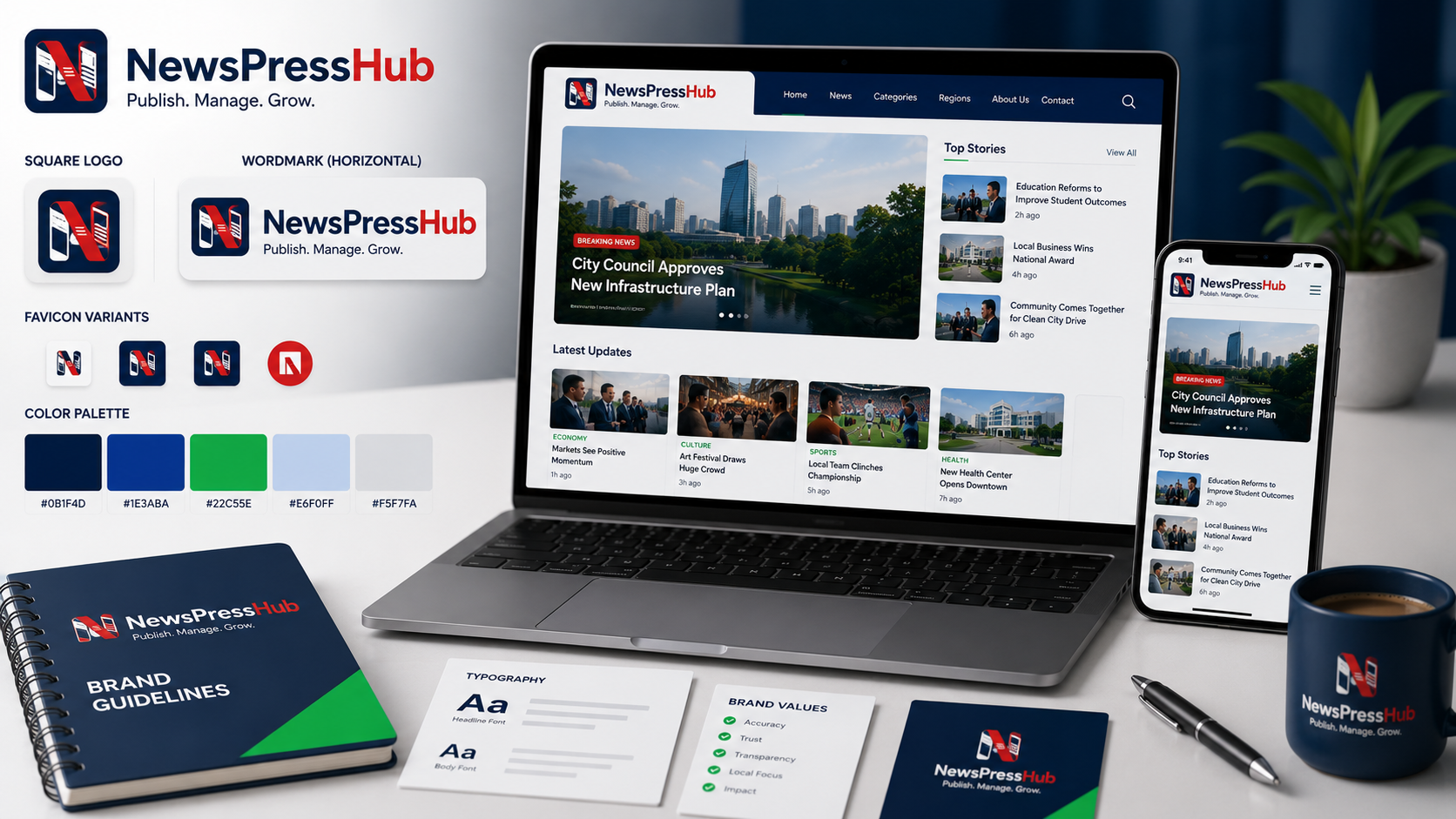
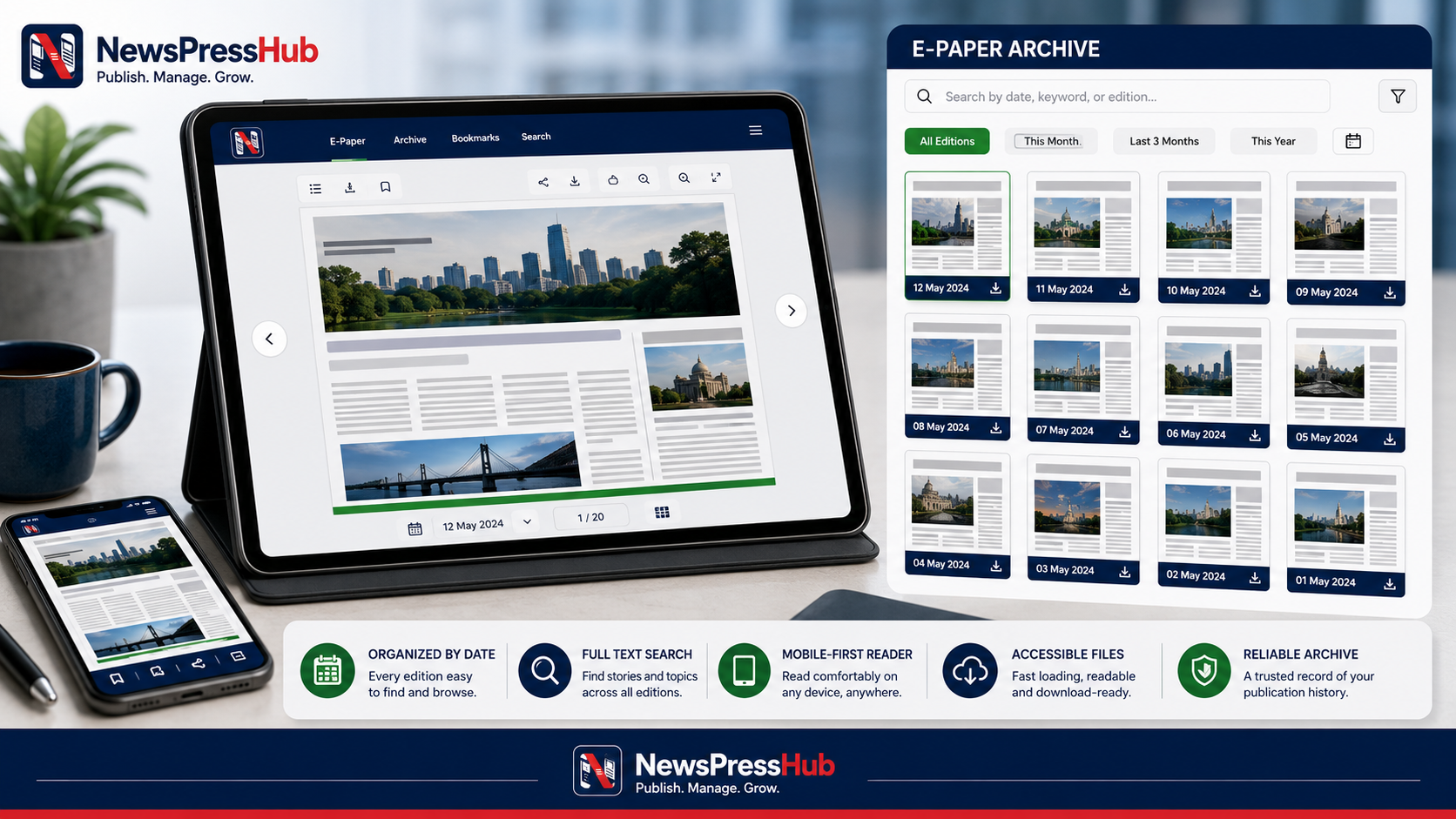
NewsPressHub brings agency identity, public templates, policies, contact requests, profile information, categories, dates, SEO fields, support tickets, and role-based access into one system. The platform provides the structure; the publication earns trust through accurate use, responsible review, and honest communication.