
Adding reporters can expand geographic reach, subject expertise, and publishing capacity. It can also create inconsistent categories, duplicate work, unclear ownership, and unnecessary access if growth is not structured. Editorial control comes from visible rules and accountable roles, not from limiting every decision to one person.
Define the coverage model first
Before inviting a new reporter, write down the coverage gap the role will fill. Is the newsroom adding a city beat, a business desk, sports coverage, photography, or general assignments? A clear purpose makes onboarding easier and gives editors a fair way to review performance.
Match team size to the active plan and operational capacity. An available reporter limit is not a target that must be filled. Add people when the newsroom can assign, review, support, and secure their work.
Use verified invitations and correct agency membership
Invite the intended email address and make sure the reporter joins the correct agency. Avoid sharing generic accounts. Individual access improves accountability and makes it easier to deactivate one account without disrupting the rest of the team.
During registration, verify the reporter’s identity and contact information through the supported process. Do not publish private registration details on the public website or include authentication information in support requests.
Teach the publishing structure
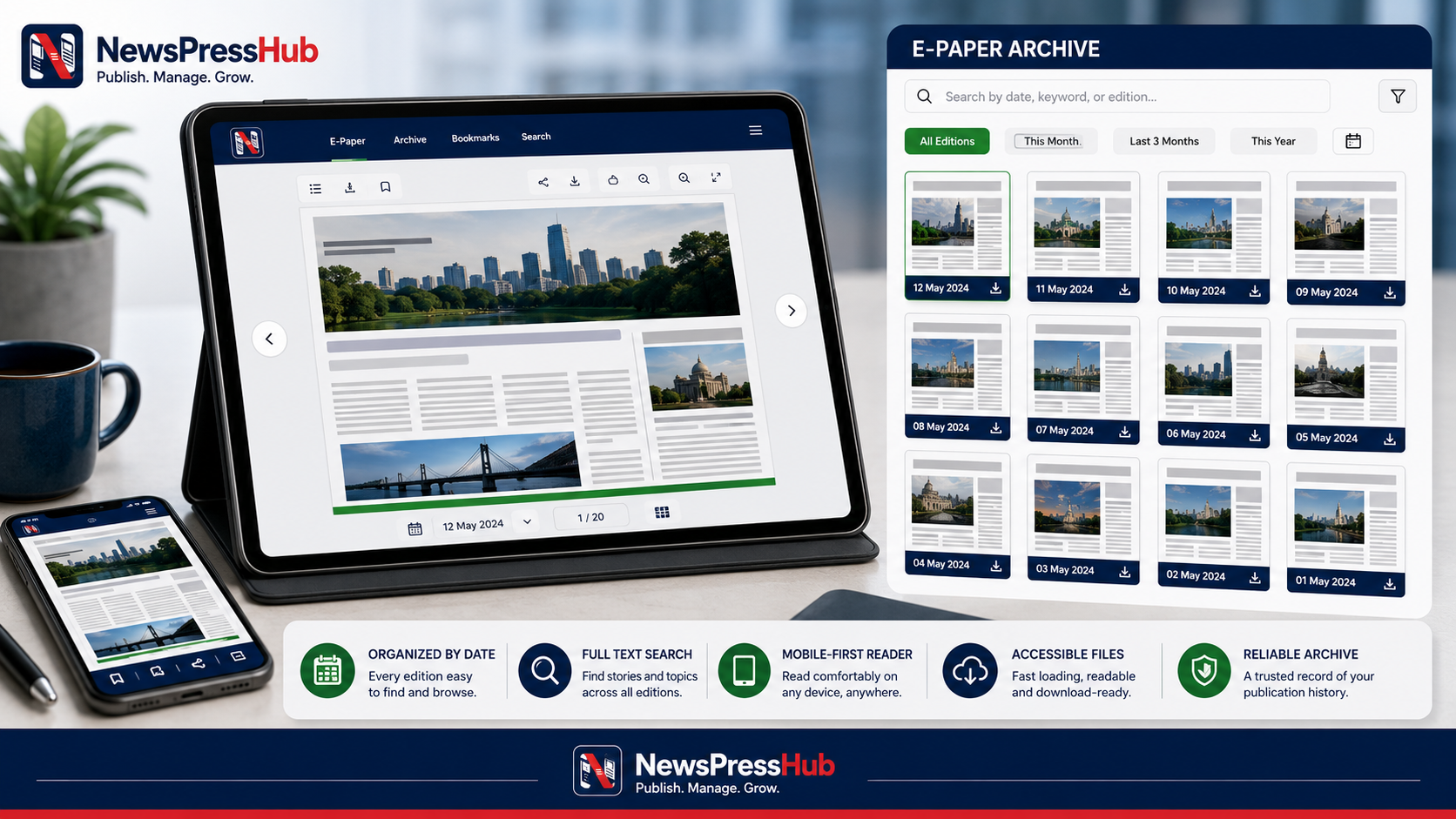
New reporters should understand the category system, content types, draft rules, publishing dates, media requirements, reading-time field, keywords, and SEO fields before creating active content. Provide examples of a complete news article, a breaking alert, an editorial blog, and an e-paper entry.
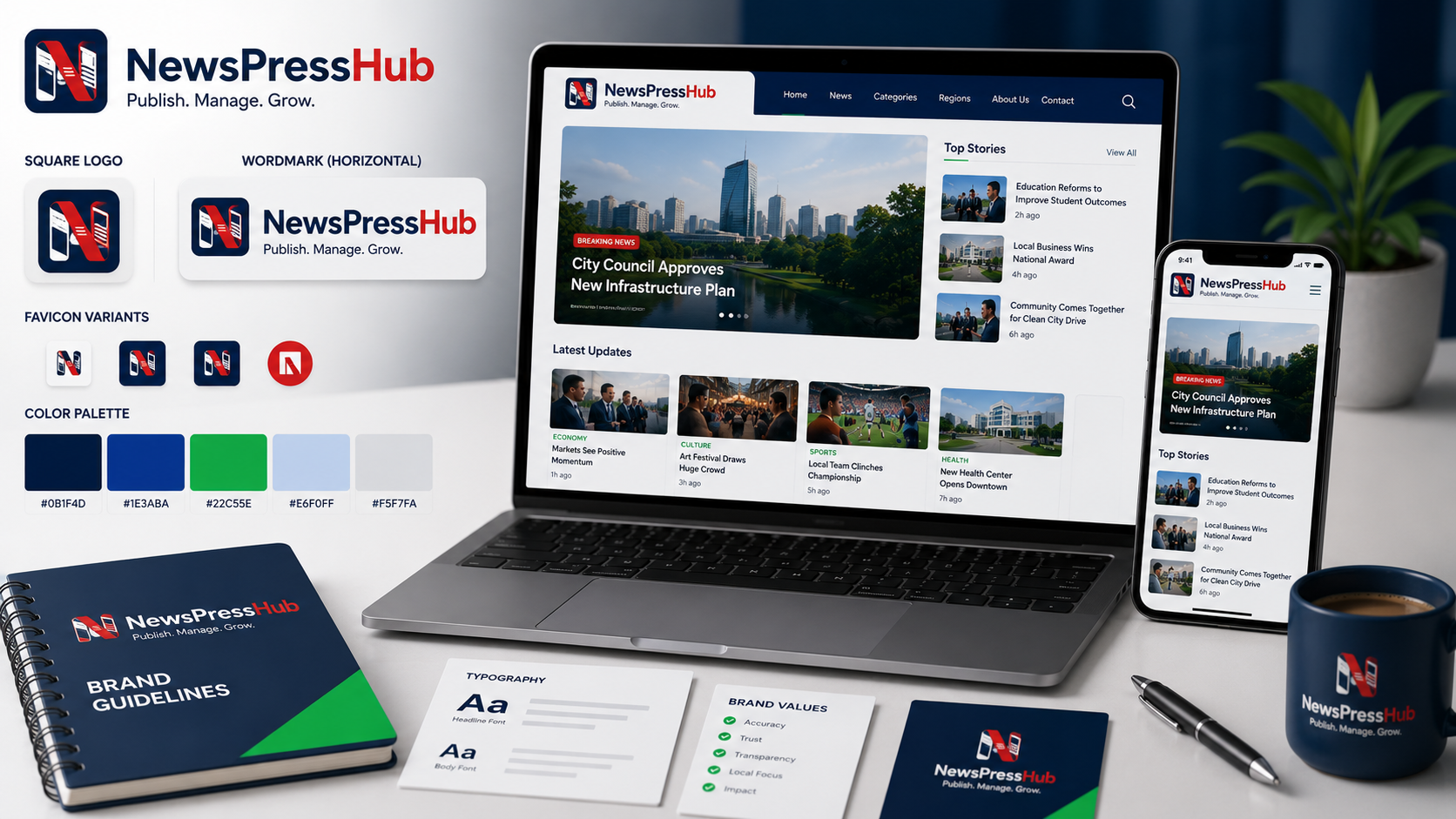
Explain which categories already exist and who may create or change them. Category consistency is one of the simplest ways to keep a multi-reporter site usable.
Separate creation from final accountability
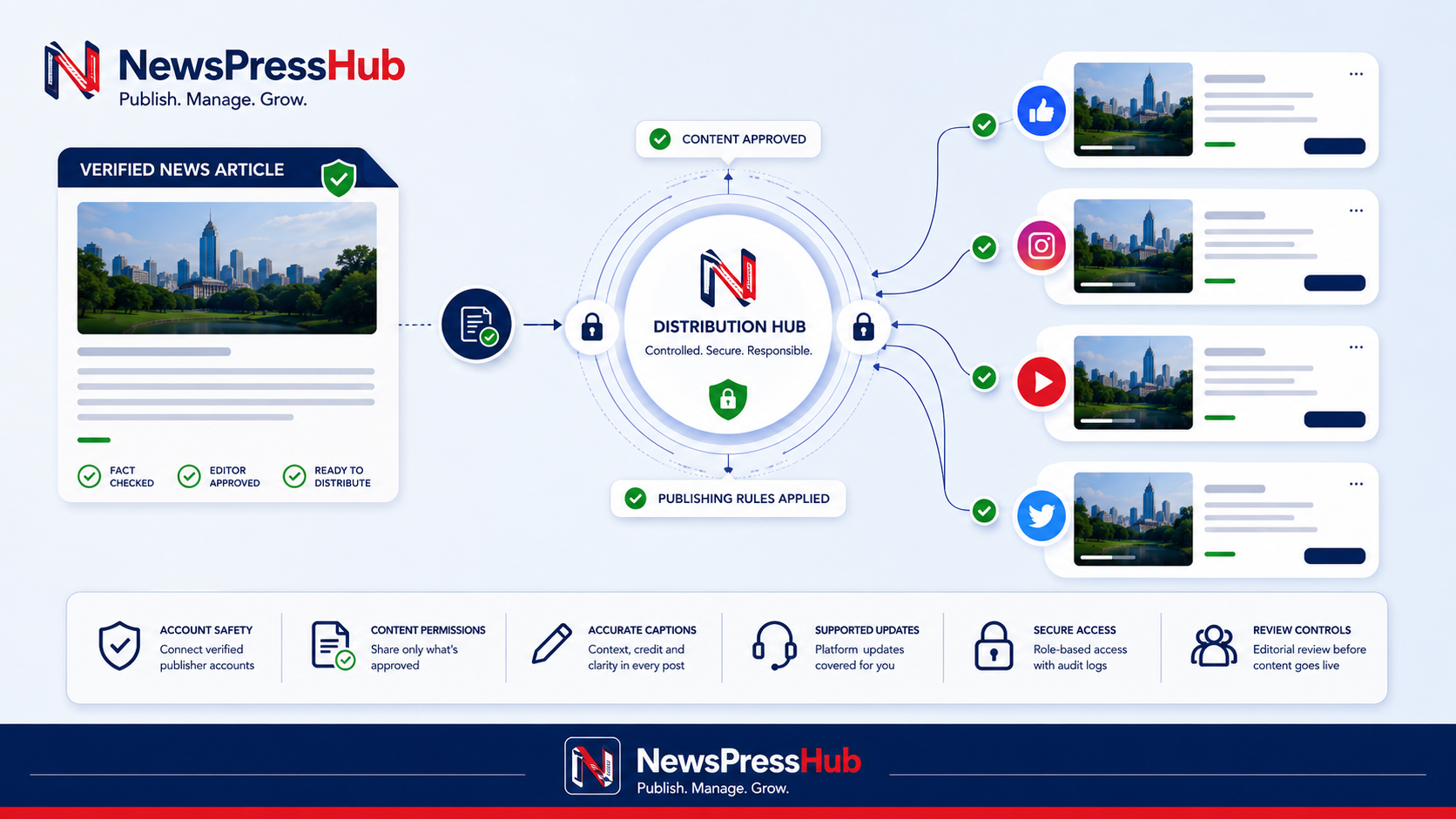
A reporter can own research and drafting while an editor or agency owner remains responsible for final publication. Define which stories need a second review, what can be published directly, and how urgent updates are handled outside normal hours.
- Assign one owner to every article.
- Use draft status until required checks are complete.
- Record the source of licensed images and supporting material internally.
- Confirm the public URL and display after publication.
- Escalate corrections instead of quietly hiding material changes.
Create a lightweight onboarding packet
A useful packet can fit on a few pages. Include the publication mission, coverage priorities, writing style, verification expectations, category map, image rules, correction process, account-security rules, and support contact. Update it when the platform or editorial policy changes.
Review accounts on a schedule
Once a month or quarter, review active reporters, pending invitations, agency assignments, and plan usage. Deactivate accounts that no longer require access. Confirm that public profile information is accurate and that no private contact data has been exposed.
Measure quality as well as volume
Article counts are easy to measure, but they are incomplete. Review correction frequency, completeness of metadata, category accuracy, reader usefulness, deadline reliability, and collaboration. Do not turn raw traffic into the only measure of a reporter’s contribution.
A scalable newsroom is not a collection of logins. It is a shared editorial system in which every person knows what they own and who approves the public result.
NewsPressHub supports agency membership, reporter invitations, plan-based reporter limits, role-aware navigation, content ownership, newsroom modules, and public profile verification. Combine those controls with documented editorial standards and regular access reviews to grow responsibly.